

Should billionaires exist?
Addressing unequal growth and wealth inequality

An Emerald mission in support of the UN Sustainable Development Goals
In recent years the total number of billionaires has risen, and their combined wealth continues to reach all-time highs.
State capture, cronyism and inheritance allow the rich to get richer and mechanisms for wealth redistribution are often ineffective, inefficient, avoidable or ignored. The world is beset with crises; war, political instability and climate change threaten the very existence of humanity, yet wealth inequality continues to separate the rich from the rest of the population, and arguably insulate them from those challenges.
As real earnings for workers are squeezed, the social safety net of welfare and charity is degraded. Opportunities, social mobility and access to re and up-skilling can be removed with enormous impact on health and wellbeing. In more extreme circumstances, worsening economic circumstances for the less affluent can lead to social destabilization and conflict.
Yet arguably, extreme wealth represents the solution to these global challenges. Billionaires have extraordinary resources for investment, innovation and philanthropy, and as individuals they are less restricted by the short-termism and regulatory limits that can curb governmental, NGO or charitable efforts.
To help us address this, in our mission we ask:
- What are the impacts of having extremely wealthy individuals in society?
- How can wealth redistribution help to address the global challenges of poverty, reduce inequality, spur economic growth and tackle climate change?
- Can/Do extremely wealthy individuals help society to tackle global challenges, through vision, innovation, investment and philanthropy?
On this page
- Keynote blog: Should billionaires exist?
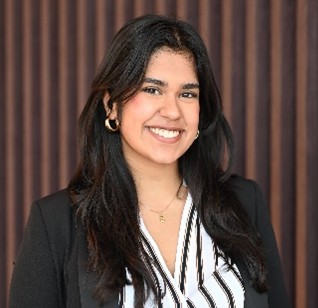
- Mandela Washington Fellowship for Young African Leaders – Blogs
- Featured blogs
- Free access to our related research
- Different routes to publication
- Additional information
- Talk to us about your work
- Mission-led research – our goals
We invite you to join the discussion. If you have related research or insights that begin to address these questions, or the broader challenges within this area, then we’d love to hear from you! Get in touch today.
This mission is aligned with our Fairer society goal
Keynote blog

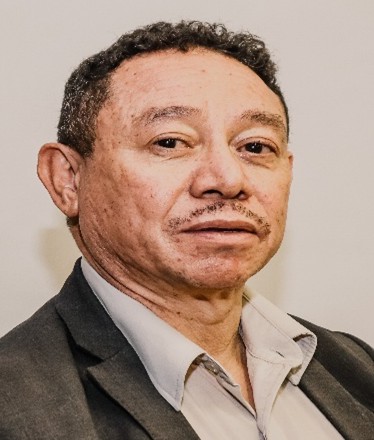
Keynote blog by Goal Advisor – Professor Wendy M. Purcell PhD FRSA, Rutgers University, USA
Read this keynote blog as Goal Advisor Professor Wendy M. Purcell shares her insights towards addressing our critical question of, “Should billionaires exist?”, to achieve a fairer society.

















Free access to our related research
Take a look at our journal articles and book chapters that explore this topic.

Different routes to publication
Take a look at our book titles that showcase further research within this area.


Featured journals
Here we have highlighted our key journals that publish research articles in this area. You can also search for a specific journal by subject area on our find a journal page.
If you want to speak to us about publishing an article in one of our journals, please get in touch.
Sustainable Finance Review
International Journal of Development Issues
Journal of Economic Studies

International Journal of Social Economics
Journal of Participation and Employee Ownership
International Journal of Housing Markets and Analysis
Qualitative Research in Accounting & Management
Worldwide Hospitality and Tourism Themes

Additional information
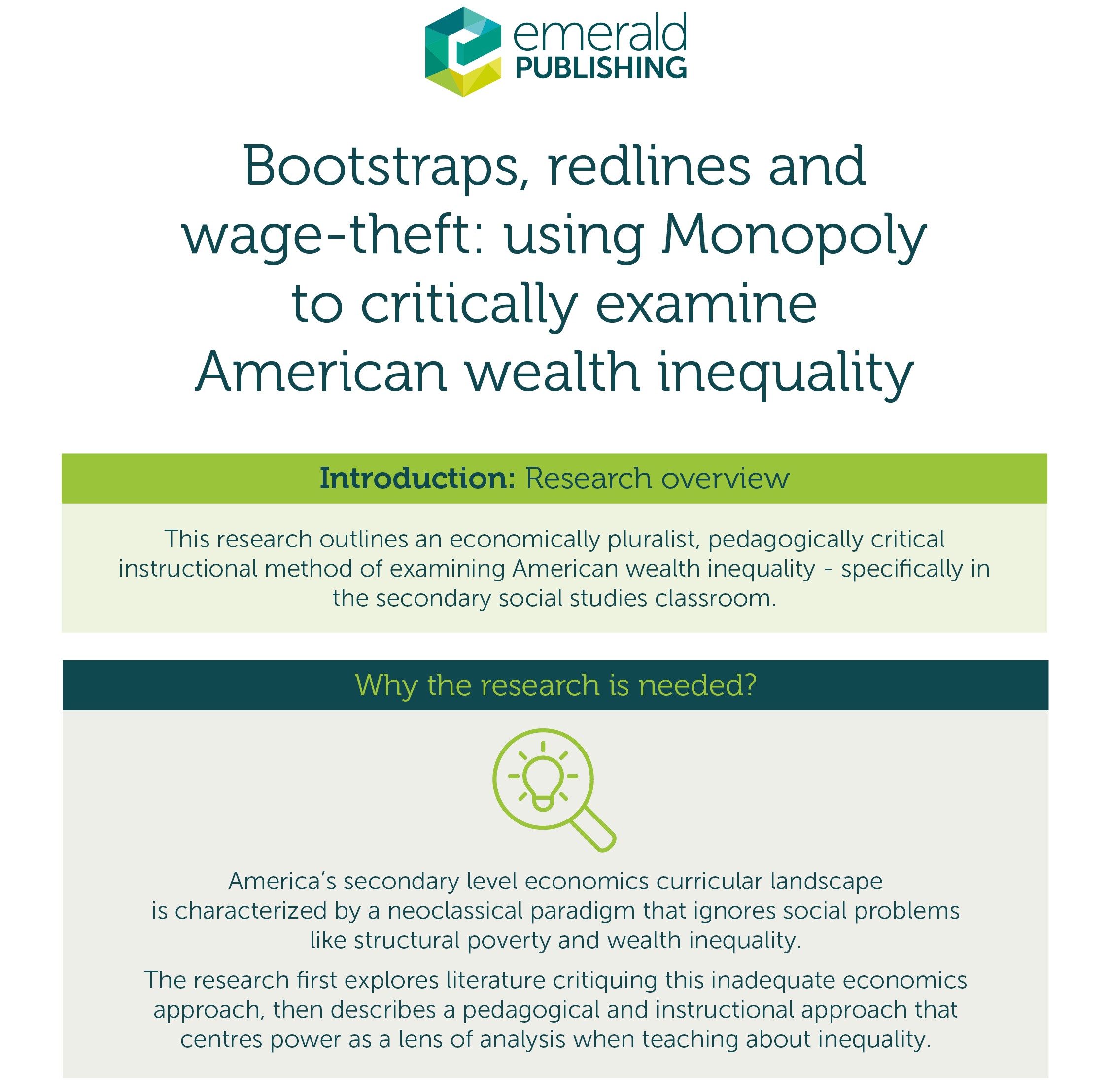
Bootstraps, redlines and wage-theft: using Monopoly to critically examine American wealth inequality
Take a look at this infographic that outlines an economically pluralist, pedagogically critical instructional method of examining American wealth inequality - specifically in the secondary social studies classroom.
View the infographic to find out more
Article: Bootstraps, redlines and wage-theft: using Monopoly to critically examine American wealth inequality
Journal: Social Studies Research and Practice
Bootstraps, redlines and wage-theft: using Monopoly to critically examine American wealth inequality
Introduction: Research overview
This research outlines an economically pluralist, pedagogically critical instructional method of examining American wealth inequality - specifically in the secondary social studies classroom.
Why the research is needed?
America’s secondary level economics curricular landscape is characterized by a neoclassical paradigm that ignores social problems like structural poverty and wealth inequality.
The research first explores literature critiquing this inadequate economics approach, then describes a pedagogical and instructional approach that centres power as a lens of analysis when teaching about inequality.
Research questions
This research addresses the growing call for pluralist economics educational approaches that interrogate immediate social problems like poverty, wealth inequality and environmental destruction.
Methodology
This practitioner-focused work is rooted in a pluralist economics educational perspective and employs a critical pedagogical method of cultural and structural analysis of social problems.
Results
This work discusses the many ways and aims of utilising Monopoly in the classroom, then it demonstrates how Monopoly rules may be modified to simulate various factors of American wealth inequality.
The work also details how specific texts may be paired with specific game boards to provide students with integrated knowledge that is conceptual, historical, and factual.
Conclusion
Monopoly has been used by many researchers and teachers to create meaningful learning experiences for students; this work describes how Monopoly may be used to critically examine factors of American wealth inequality from a pluralistic economics perspective.
Talk to us about your work
We love hearing from researchers and practitioners about their work.
If you would like to contribute to the discussion, or have supporting research that addresses the challenges in this area, please let us know by filling in this form.




