

South Africa's deep divide: How billionaires and lobbying shape fairness
18th September 2025
Share this content


Author: Bakhetsile "BK" Mangena, PhD, University of Pretoria, South Africa
South Africa remains one of the most economically unequal countries in the world , nearly three decades after the end of apartheid. This huge gap is more than just a number; it's something that millions of people experience every day, and it goes against the country's promise of fairness. This blog post explores the complicated link between South Africa's huge wealth gaps and the widespread effect of political lobbying, especially by billionaires and big business interests, on policy and the idea of fairness itself.
The Stark Reality: A Legacy Etched in Wealth
Despite the official end of apartheid in 1994, the wealth gap in South Africa remains high, with the Gini coefficient measuring income inequality at 0.67 in 2023 and 0.75 for household wealth . Race remains a significant factor in this inequality, accounting for 41% of income differences and impacting education and the job market . The legacy of apartheid, based on racial and spatial segregation, continues to perpetuate this divide. In 2023, white-headed households earned almost five times more income than Black African-headed households .
Notwithstanding economic growth and programs like Black Economic Empowerment (BEE), most Black South Africans have not moved up in economic class, indicating that economic growth or targeted empowerment programs alone will not be enough to address deeply rooted structural inequalities. The expected ‘trickle-down’ effect has mostly not reached the wider population, keeping wealth at the top, especially along racial lines.
The difficulty for assets to organically change hands post-apartheid and the observation that individuals start from very different initial endowments, highlight the profound importance of inheritance and historical accumulation. The wealth gap is not just a temporary issue, but one that has been present for many generations. To truly be fair, more aggressive land reform or wealth redistribution strategies are needed, going beyond current policies and addressing the long-term effects of past systemic discrimination.
Lobbying's Long Shadow: Influence in Action
The political influence of wealthy individuals is recognised globally as a significant contributor to economic inequality. Businesses and trade groups, such as Sasol, Business Unity South Africa, and the Minerals Council South Africa, have impacted climate policies, leading to regulatory concessions and delays in important laws. This often prioritise profit over environmental protection and public health, causing policy imbalances.
Billionaires like Elon Musk and Peter Thiel have spoken out against controversial laws like the Expropriation Act of 2024 , highlighting how powerful individuals can influence global perceptions. This raises ethical questions about lobbying and erodes public trust in business and government. This loss of trust can lead to social unrest and hinder the development of a fairer society.
The Path to Fairness: Transparency and Accountability
Lobbying is a legitimate activity that can provide valuable expertise and insights to policymakers. However, the South African experience, particularly with state capture and corporate climate lobbying, show that without strong regulation and transparency it can become a vehicle for undue influence and corruption. The South African Lobbying Association (SALA) and other groups advocate for ethical and open government and public affairs, promoting values like professionalism, openness, and responsibility. They emphasise the importance of strong enforcement mechanisms and clear laws to prevent abuse and accountability. Transparency measures, such as public disclosure requirements for meetings between government and industry, are crucial steps towards such accountability.
Conclusion: Reclaiming the Promise of Equality
South Africa's extreme wealth inequality, deeply rooted in its apartheid past, is perpetuated and exacerbated by the unchecked influence of wealthy individuals and corporate lobbying. Addressing this requires more than just economic growth; it demands systemic reforms. Critical steps towards the robust implementation include tightening up lobbying regulations, enhancing transparency, and holding powerful actors (including billionaires) accountable.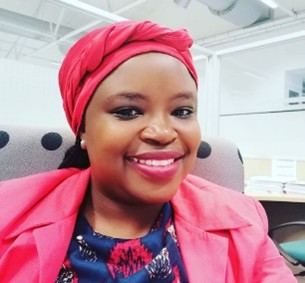
Bakhetsile "BK" Mangena is a seasoned policy researcher, academic, and programme leader with over 15 years of experience in public policy, economic development, higher education, and stakeholder engagement. She is currently pursuing her PhD at the University of Pretoria, focusing on liveable cities, urban mobility, and governance. BK has held senior roles in academia, and the non-profit sector, with expertise in programme management, curriculum development, policy integration, and research-led advocacy.
References
1. https://www.ictj.org/node/35024
2. https://www.aljazeera.com/news/2022/3/10/south-africa-most-unequal-country-in-the-world-report
3. https://www.worldbank.org/en/publication/digital-progress-and-trends-report
4. https://doi.org/10.1093/wber/lhab012
5. https://www.worldbank.org/en/publication/digital-progress-and-trends-report
6. https://www.gov.za/documents/acts/expropriation-act-13-2024-english-sepedi-24-jan-2025
7. https://lobbyingsa.org/
All sites accessed August 8, 2025

Fairer society
We are passionate about working with researchers globally to deliver a fairer, more inclusive society. This perhaps has never been more important than in today’s divided world.
Share this content