

Celebrating International Women’s Day in the
Middle East &
Sub Saharan Africa
 We are both happy and proud to work on developing research in every country in the region. We believe the region is full of potential and we are eager to spread research and nurture fresh thinking to and from every country in our region, giving a voice to those who often feel under-represented.
We have a passion for educational development, we are always in our academic communities listening to what’s important to help to make this happen. The Emerald team in this region is motivated by results driven work, that has impact in the real world, beyond academia.
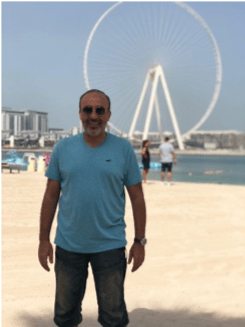
Ramy Hassanien. Regional Manager & Vice President, MEA and Central Asia at Emerald Group Publishing.
This International Women’s Day, we understand that the world is more challenging than it has ever been, and we know that these challenges disproportionately affect women.
We believe women in our region demonstrate so much strength and resilience, they often play so many roles and are juggling many responsibilities. From responsibilities of caring for others, to wanting and lacking access mentorship to help keep their career on track and gaining access to education and training. To common gender bias and general inequalities.
As a publisher, we’ve seen a decline in research from female researchers in early-stage roles during the pandemic.
Celebrating our region's inspirational women
We want to celebrate all the great women in the region by showing great examples from some inspirational women who are happy to share their experience with us and inspire and support other women on their journeys. As well as provide support to those on their journey through our Emerald Engage community…
Gender equity & female empowerment
in the Middle East & Africa
Wednesday 24 March 12pm (Cairo)
Our expert panel will be discussing topics covering gender equity, women’s empowerment as well as hearing from some of the challenges and struggles academics have had to overcome in their careers to get to where they are today. We’ll also be looking into the ongoing support needed to help level up.
Join our expert panel discussion
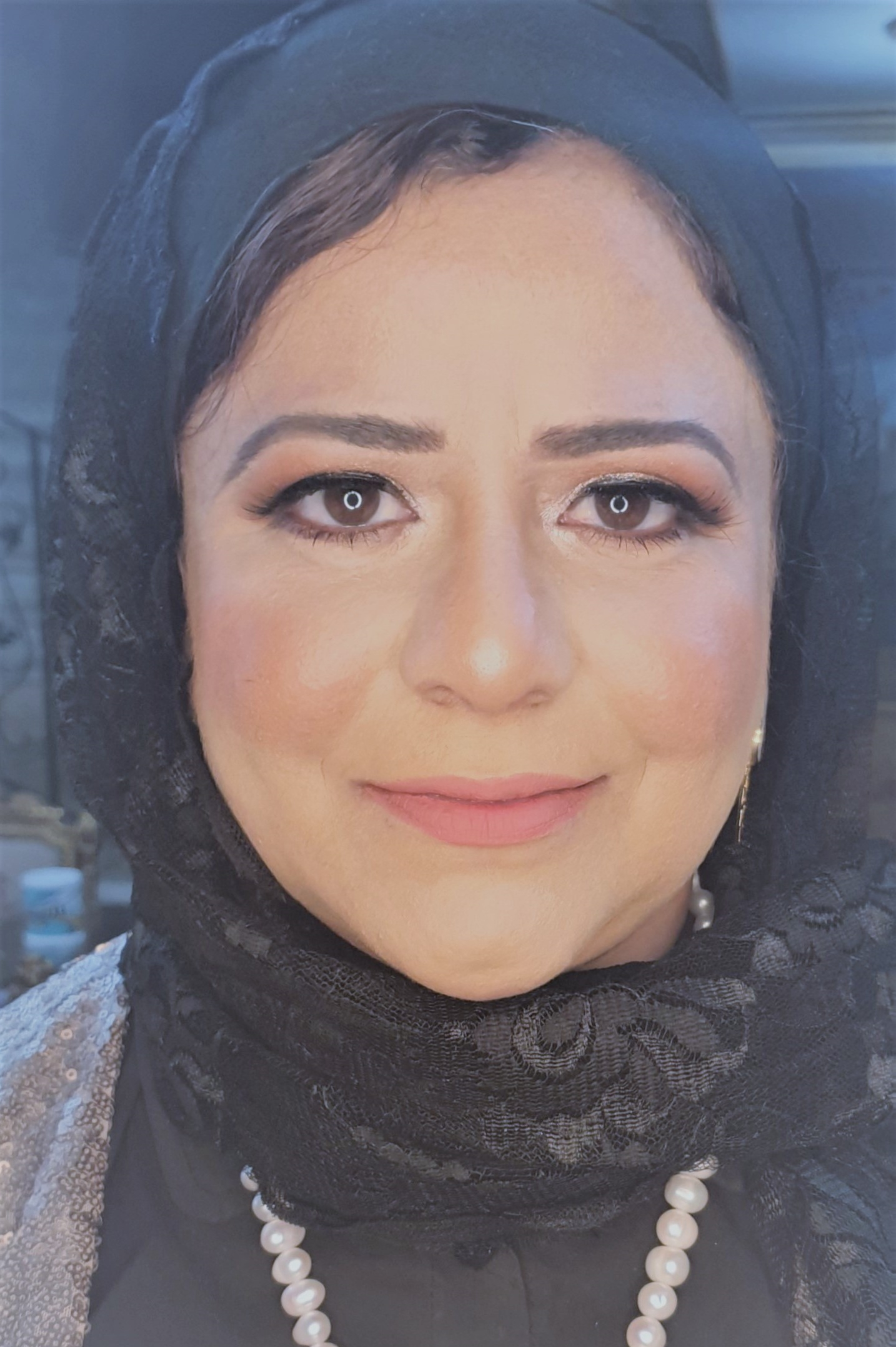
Prof. Noha El Bassiouny is Vice Dean for Academic Affairs, Professor and Head of Marketing at the Faculty of Management Technology, the German University in Cairo (GUC), Egypt.
Her research interests lie in the domains of consumer psychology, Islamic marketing, ethical marketing, corporate social responsibility, and sustainability. She has published in many reputable journals and is currently the Associate Editor of the Journal of Islamic Marketing. Her awards include; the prestigious Abdul Hameed Shoman Arab Researchers Award (2019) on the level of the whole Arab world as well as several Emerald Outstanding Reviewer Awards and Highly Commended Paper awards.
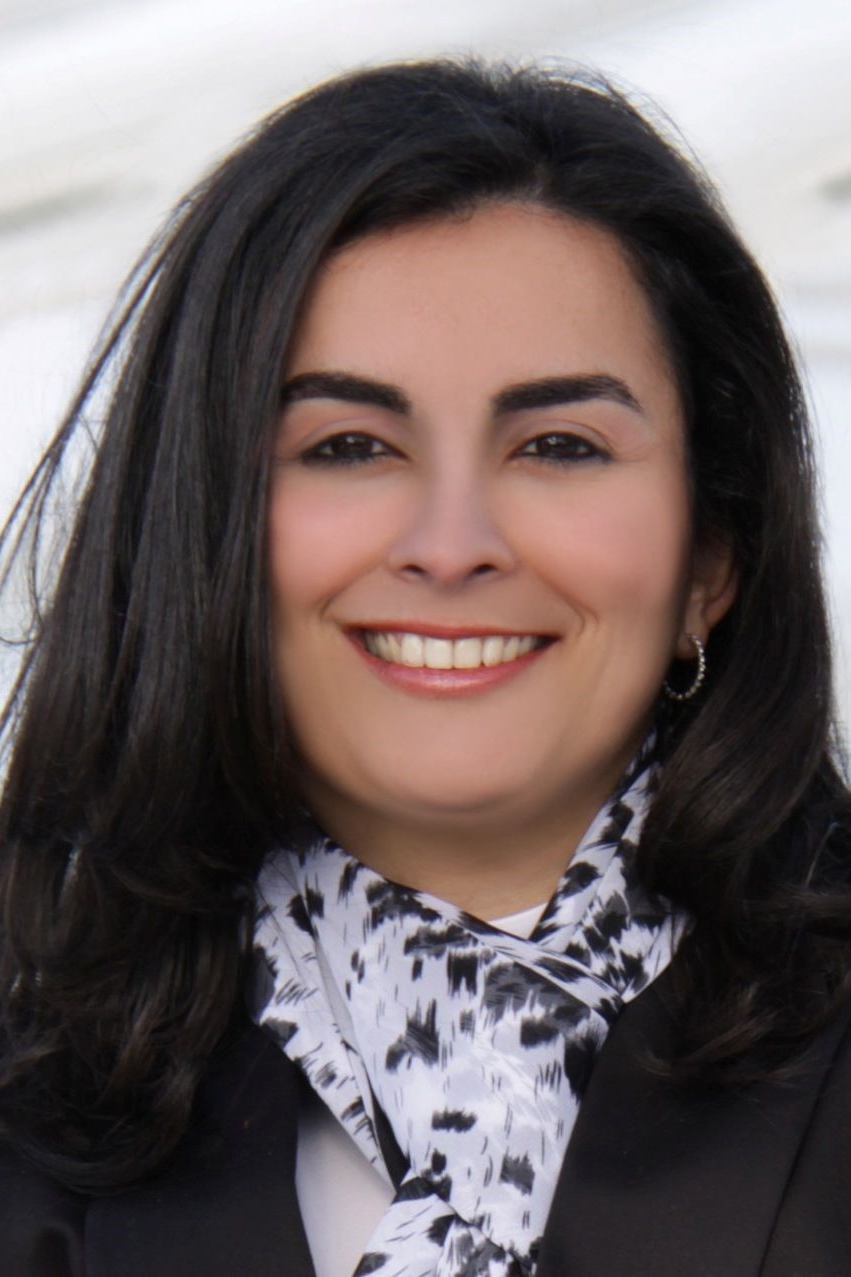
Dina Youssef is the Head of Library Sector, also the Director of IFLA Center for Arabic Speaking Libraries (IFLA-CASL) based at the Bibliotheca Alexandrina, Egypt as well as a certified IFLA trainer and associate leader.
She is an active member at the International Advisory Board at UNESCO Memory of the World project, the Arab Federation of Libraries and Information (AFLI), as well as a member at the Egyptian Library Association.
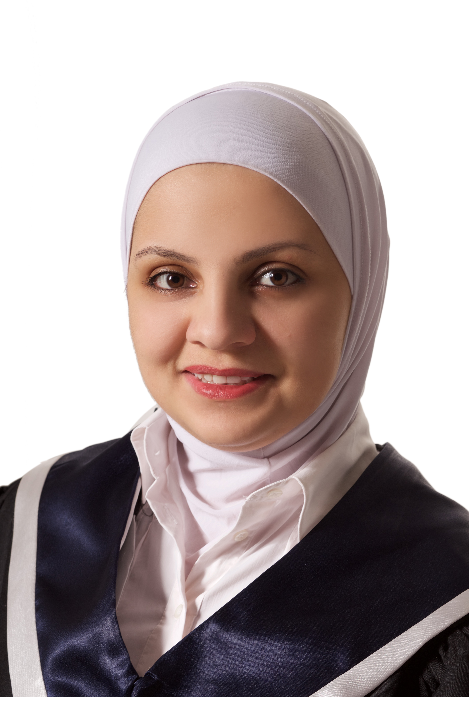
Nailah Al-Madi is an Associate Professor and head of data science department at Princess Sumaya University for Technology, Jordan.
She received her PhD degree in Computer Science from North Dakota State University, USA, in 2014. Nailah has published more than 20 papers and is well known at international conferences and journals. Winning multiple awards for academic achievement, she was also got the distinguished teacher awards in 2019.
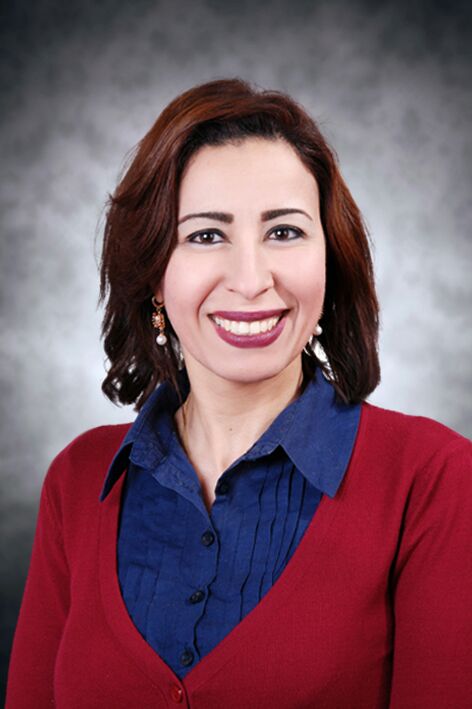
Rania Osman is the Head of Library Project Section and Acting director of Information Instantiations and Professional Skills Department, Bibliotheca Alexandrina.
Rania holds many positions in different committees; Chair for the VIAF Council, Member in the IFLA Cataloguing Committee, and Chair of the Arabic translation team of the RDA (Resource Description and Access). Rania published in many publications covering library and Information studies including Big Data, Library bibliographic Standards, Digital Humanities, and Translation challenges of Library tools.
Seham Ghalwash is currently a research project manager, a member of the Global Entrepreneurship Monitor (GEM) Egypt team at the American University in Cairo School of Business.
Seham is a member of the Community of Practice at the United Nations Economic Commission for Africa (ECA) through its Gender, Poverty and Social Policy Division (GPSDP) in Addis Ababa. She is also a research member at the African Network of Social Entrepreneurship Scholars (ANSES), Social Entrepreneurship Unit, University of Pretoria, South Africa. Seham’s research focuses on social entrepreneurship and entrepreneurship as drivers for social and economic development. In 2019, she received the Emerald Literati Award for an article on social entrepreneurship in the Social Enterprise Journal.
Share your views & perspective in our Engage community
Emerald Engage is an online community set up specifically for Researchers and Authors to make connections with scholars around the globe, to link with others who have experienced similar struggles, made it through and have the knowledge and expertise to offer advice.
Meet our buddies
We have recruited several established academic professionals who are ready and waiting on the Engage platform to answer your questions and provide real-life experiences. There’s also lots of practical tools, guidance and support from Emerald Works, free-access to relevant Emerald research for a limited time, as well as resources from other partners.


In numbers – the challenges of women in academia
Stepping up to level up
This International Women’s Day, we understand the world is more challenging for everyone than it has ever been, and we know that these challenges disproportionately affect women. With women often taking on more caring responsibilities and struggling to keep their career on track as well as juggle home life and other responsibilities. Download infographic as PDF
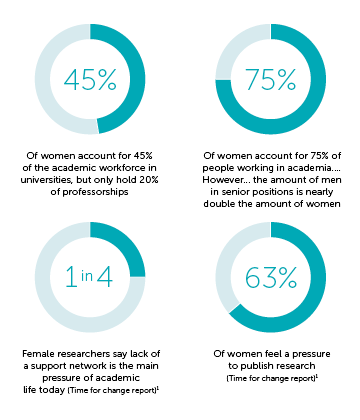

| 45% | Of women account for 45% of the academic workforce in universities, but only hold 20% of professorships |
| 75% | Of women account for 75% of people working in academia… However… the amount of men in senior positions is nearly double the amount of women |
| 68% | Of women are thinking of leaving academia due to culture practices and pressure, compared to 57% of men (Time for change report))1 |
| 1 in 4 | Female researchers say lack of a support network is the main pressure of academic life today (Time for change report)1 |
| 63% | Of women feel a pressure to publish research ;(Time for change report)1 |
| 34% | Of women feel their institution provides equal opportunities compared to 45% of men (Time for change report)1 |
Spotlight on the Middle East & Africa
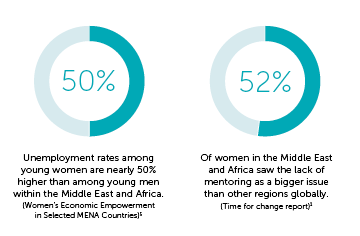
| 50% | Unemployment rates among young women are nearly 50% higher than among young men within the Middle East and Africa. (Women’s Economic Empowerment in Selected MENA Countries)5 |
| 52% | Of women in the Middle East and Africa saw the lack of mentoring as a bigger issue than other regions globally. (Time for change report)1 |
Exactly how has the covid pandemic affected women in early career researcher roles?
It has been found that the pandemic has benefited men’s publishing, and yet had a statistically significant negative effect for women in three of the four main research areas: health and medicine, physical sciences and engineering, and social science and economics. (Inside Higher Ed.com)2
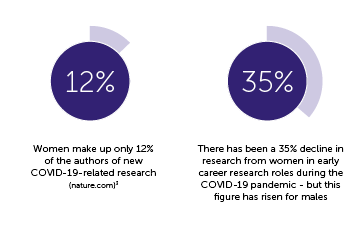

| 12% | Women make up only 12% of the authors of new COVID-19-related research (nature.com)3 |
| 35% | There has been a 35% decline in research from women in early career research roles during the COVID-19 pandemic – but this figure has risen for males |
| 70% | Of women who have experienced disruption to their daily and work lives due to the pandemic believe it will have a negative impact on their career growth |
When it comes to work/life balance, women in academia are feeling the strain
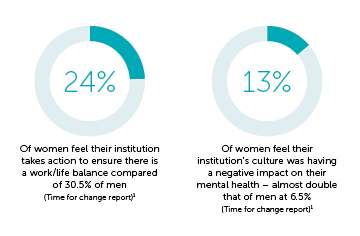
| 24% | Of women feel their institution takes action to ensure there is a work/life balance compared of 30.5% of men (Time for change report)1 |
| 13% | Of women feel their institution’s culture was having a negative impact on their mental health – almost double that of men at 6.5% (Time for change report)1 |
However, we can help to be part of the solution
Join us as we step up and help to provide a support system on our Emerald Engage platform to provide Early Career Researchers with the opportunity to connect with those in established academic role.
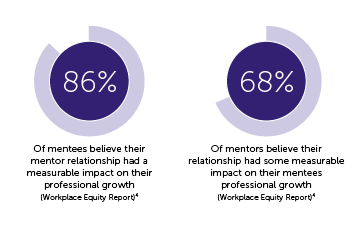
| 86% | Of mentees believe their mentor relationship had a measurable impact on their professional growth (Workplace Equity Report)4 |
| 68% | Of mentors believe their relationship had some measurable impact on their mentees professional growth (Workplace Equity Report)4 |