

Rethinking our role: from consumer to food citizen podcast
Share this content


What if we viewed food not just as something we buy and consume, but as something we shape, influence, and take responsibility for? The concept of food citizenship challenges the traditional idea of passive consumption, instead positioning individuals as active participants in building sustainable, fair, and resilient food systems. In this episode of the Emerald Podcast Series, Rebecca Torr is joined by two leading experts in food systems and policy:
- Professor Sima Hamadeh, a public health nutrition specialist and Editor-in-Chief of Global Smart Food Systems, Emerald’s new open access journal.
- Dr Christian Reynolds, an expert in food policy, behavioural economics, and sustainable consumption
Together, they explore the difference between food citizens and food consumers, the role of food literacy in shaping food choices, and the ways in which food citizenship connects to wider issues such as public health, sustainability and policy. They also discuss how research in this field is evolving and what the future holds for food citizenship as both a movement and an area of academic study.
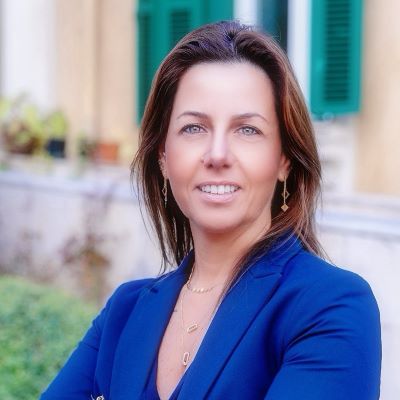
Speaker profiles
Professor Sima Hamadeh is a Full Professor of Public Health Nutrition and Program Coordinator at Haigazian University, Lebanon. She is an award-winning researcher specialising in food systems, public health, and science communication. She is also the Editor-in-Chief of Global Smart Food Systems, Emerald’s latest Gold open access journal, which focuses on the intersection of food sustainability, policy, and technology. Dr Christian Reynolds is an expert in food loss and waste, sustainable diets, and food policy. He has researched and addressed these issues globally and has published extensively. He has provided evidence to parliaments and played a role in developing standards for food loss and waste accounting. His recent work focuses on citizen science, sustainability in the UK food system, and the environmental impact of public procurement.
Podcast Host
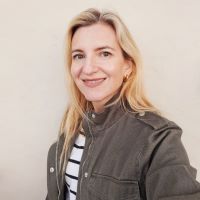
Rebecca Torr is the Publishing Development Manager for Sustainable Structures and Infrastructures and works with authors and organisations in engineering subjects such as civil engineering and materials science to further the impact of research in the real world. As part of her hosting role on the Emerald Podcast Series, Rebecca interviews experts who use research to create real impact.
In this episode:
- What is the difference between a food consumer and a food citizen?
- How does food literacy shape our relationship with food?
- What role does food citizenship play in public health and sustainability?
- How can research on food citizenship inform public policy?
- How does food citizenship connect to the UN Sustainable Development Goals (SDGs)
Transcript
Rethinking our role: from consumer to food citizen
Rebecca Torr (RT): Hi, I’m Rebecca Torr and welcome to the Emerald Podcast Series. Today, we’re talking about food citizenship – a concept that shifts the way we think about our role in the food system, moving from passive consumers to active participants in shaping sustainable, fair, and healthy food environments. To help us unpack this, I’m joined by two leading experts: Professor Sima Hamadeh, a leading researcher in public health nutrition, sustainability, and food systems, and Editor-in-Chief of Global Smart Food Systems, a new Emerald Open Access journal. And Dr Christian Reynolds, an expert in food policy and sustainable consumption. We’ll discuss what it means to be a food citizen, the role of food literacy, and how this concept connects to global challenges like health, sustainability, and policy. We’ll also hear about Global Smart Food Systems, an exciting new Open Access journal that’s pushing forward research in this space. Let’s get started!
Christian Reynolds (CH): So I have a very unique view of food citizenship. So firstly, there's a part of research that I do called Citizen Science, which is actually engaging citizens in the scientific process, so actually getting them involved in research to create and do better research. However, when I use the word citizen, it's slightly different from when policy makers might use the word citizen. So a lot of policy makers use the word citizen to mean people who are enrolled in and can vote in elections in their country. However, I'm thinking in a broader term, in terms of people who make decisions about the food system. So it's not just people who are registered to vote, but everybody within the food system, to me, is a citizen of the food system, and hence, therefore, can be engaged in citizen science. So it's not just about people using their governmental powers, but using all of the choices they have available to influence the food system. So it's not just about thinking about people as consumers in terms of they are having acts of consumption. They go and purchase food. They eat food. It's not just a consumption experience. It's also a lot of our population works in the food system. It works in farming. It works in manufacture. It works in logistics. It works in the outer home sector. And so therefore we need to think, how can we as individuals who work in businesses, who make choices about procurement, all these sorts of things. How can we make our choices the best choices and be a citizen of the food system?
RT: Oh, fantastic. Thank you. Yeah. I think that really sort of does make sense. And it'd be interesting to find out, sort of yes, as a food citizen, and that we all can be active members doing something within our remit, I guess. And Seema, I don't know if there's anything you wanted to add to that from your point of view.
Sima Hamadeh (SH): Yes, actually, I will make it maybe more easier tackling it from another side, which like the terms food citizen and food consumer they both represent
people who are choosing their food, but they have different roles and different aim to this food. So they have automatically different approach to engage with food systems, reflecting contrasting level of responsibility, awareness and action, visav the food systems. So for instance, the difference is, like the food consumer will choose the food for them as just a commodity to make any decision, it's based on what is available, their choices are driven, maybe more and more, by individual or family needs or habits. It's more market driven and they are, their engagement with how they participate in food system is really limited. However, if we're gonna compare it to a food citizen, it's more like we are actively engaged in shaping a sustainable, resilient, equitable, ethical food system. So our, we have more an active role in all this, not only a passive role to consume food and, and also it is focused more on sustainability, on equity, on ethics, on making all these food systems more sustainable, resilient, healthy.
RT: Thank you, Seema, yeah, I think that's, that's the next question, isn't it, really is, you know? So if I'm not just a food consumer, I'm also a, should be a food citizen, you know, what is? What is the first step? What should you know, what kinds of activities? How can I get involved? You know, what should I do within that? And and then, I guess understanding, sort of food literacy almost, sort of comes into that, I guess, you know. And what does that understanding of food literacy mean to food citizenship.
(CH): So really good question, joining the ideas of food literacy through to the idea of food citizenship, how do we get our knowledge about food. So depending where you're listening to this, in the world, there's a really easy thing that you can do to start getting food literate, and that's picking up the packaging and actually reading all the information that is on the packaging we've just created. We've just done a review of how consumers in the UK and across Europe engage with food information as displayed on packaging or online, and it's heartbreaking to know that, depending on the study you're looking at, at least 50% of people don't read the packaging. They don't turn it over and look at the nutrition nutritional composition. They don't look at where it can be stored. They don't look at the country of origin. They don't look at the information about, say, the welfare of the laborers or the animals. They don't look out for this information. And again, a lot of people this information is not their top priority, so the people who are looking for it are typically the older people whose children have left home and so they have more time, or it's people who are more passionately engaged in the food system. So again, the first step anybody can take is picking up those packaging and actually look turning over and looking at ingredient labels, looking at where things are from, and then think and comparing across what's available to you, because understanding that different food comes from different places with different value chains associated is a really useful first step. And if you've got questions, search about them, and you will find information and start to actually get understanding there, around what you can do as an individual citizen, as well as things you want to campaign about to actually get wider systems change.
RT: Thank you. I think that's so interesting, because often, you know, when you read it, like, packaging, it's often been, you know, sort of, you've got the traffic lights, you know, that you're sort of like, you know, prompted to look at, like, the nutritional values and things like that. And then I wonder, from like, a research perspective, you know, sort of how this has moved on then, I mean, has there been sort of much work around, you know, what information packaging should contain. And, you know, I don't know if you've got any thoughts on, sort of, you know, food citizenship, as, you know, as a field of research and a growing field of research and public policy, and sort of what the origins of that were and how it sort of changed over time to what it is today?
SH: We have to start by defining the food systems and the drivers of food systems that are not steady. They are not fixed. They change, not even between countries, but in the same country. So there is a lot of drivers, external, internal, controllable drivers to which will help to transform these food systems based shape by the trends, the challenges at the local, global market and but all the time, with all what has been done till now, still, there's a these food systems are failing us, because we are like when we talk food system, we are talking food chain, and food chain for us is from Farm to Fork. So we take it as a linear chain. Nowadays, with all the impact of these external and internal drivers, we can see that it's not linear. It's more circular, and it's based on the demand and what is there? What is new? What is the market? What's needed and and also it depends. It's like more, it's a part of the private, let's say private sector, food industry, and the global market, global trade. However, it is also something that requires the leadership role of the public sector to design more policies and how to bridge all the socio cultural goals with the market trend. So and that same time, also we need to acknowledge the local, specific nature of food system governance. And this is where the new practices and governance emerge, and one of them is food citizenship. But it started even before that, in the 90s, with the alternative Food Network, which is, which was against the globalisation, urban agriculture, etc, and food movements. Then with the civic, civic food the network in the 90s as well, where more and more we are talking about food democracy and how people should participate to shape their food systems. Then with food sovereignty for food citizenship and how to the food consumer should change to be an active consumer and responsible towards the food system. And later on, we are talking more and more nowadays with the short food supply chain, or what we call the local food system, which has less, better economic impact, better social impact, and less environmental negative impact on our planet. So all these, let's say new practices help to to have this food citizenship concept. And there is, of course, obligation in private and public behaviors to to help these transformation and to reach as well the UN SDGs later on. How in the field of research, of course, it helps a lot, but we develop more theoretical frameworks. Also we need, as we said, like when we talk about food, it's not only food, it's about agriculture, it's about economy, it's about distribution, it's about transportation, marketing, publicity, consumption, social factors, cultural factor and so on. So there is we need an integrative, multi disciplinary approach to work this research, and of course, to have it from a global perspective. And it's better also to work these things in research. Let's call it the Glocal approach. It's we think global and we act local, to cover all these concepts, the complex concept of the food system, that they are really changing and changing very fast, especially nowadays with the AI and the emerging technology. So this is if we going to, like summarise how it is, how we work, food citizenship now in research, maybe we don't use this term of food citizenship, but we all the time we study the the relation between the socioeconomic factors and how they impact our food choices, let's say, and the agriculture and so on, and the food security issues.
RT: Brilliant. Thank you very much for explaining that. And it's really interesting to hear, sort of how it's evolved over time, but it's still relatively new and and I suppose, as you were talking, I was just thinking, sort of, you know, why is it such a focus now? Why has it come more and more of a focus and sort of have things, you know, progressed. I mean, obviously things have progressed, but, you know, has the progression been quick enough? You know, sort of, I guess this might be a later question, like, what still needs to be done? What will you be focused on? And I think, yeah, and just sort of understanding, sort of, you know, why should we be worried about this right now? You know, because it's sort of like you mentioned the origins were like 1990 but maybe we have come a long way. I don't know. Be interesting to find out. Maybe Christian, maybe you can sort of come in there.
CR: No, really good. And I think Sima has laid all the groundwork out there. So it's not food citizenship is built on a groundwork of lots of other terms, such as food democracy, such as food sovereignty. And again, it is built on a groundwork of a food system that is fundamentally broken. So both of us have come here today to talk about food citizenship and health and sustainable diets. Currently, we do not have in any part of the world the majority of the population eating a diet that is healthy, nor is it sustainable. So so with that in mind that we are not get able to get people to access, afford, to purchase and to prefer so all of the different ideas around what food security means. Nobody, if we're taking the full UN definition of food security in terms of the different aspects of it, nobody at the moment, is able to do everything and have a healthy, sustainable diet, and therefore the food system is intrinsically broken. Has been broken for a long time. Part of that and why should we care about and why food citizenship, to my mind, has come to the fore. As Sima said, it's a local food citizenship, and making sure your local and your regional and your national and your global food systems are working to create better food security, to create healthy, sustainable diets, and part of that is because we now have a lot more global flows of food, and that means that food is faceless. It doesn't have an identity behind it, and the area easily, as a consumer rather than the citizen, you can just purchase food and have the impacts happen somewhere else on the planet. It doesn't happen in your backyard anymore. We are very disconnected from our food and so food citizenship is using the power of your wallets in some ways, to purchase foods if you are able, and if you're not able, to purchase those foods, lobbying and using your voice to change the food system as well, to enable these food system changes. And it's because we have corporate concentration. We have multinational companies owning you know that basically there's a measure which is does 50% of the market owned by more than four companies, and in virtually all agriculture, food, all of the agricultural inputs, a lot of these other things, until you reach the supermarkets at the manufacturing stage, and then even in the supermarket stage, in multiple countries around the world, it's a big four. It's a big three. It's a big two supermarket chains. And so it's they are deciding what goes on our plate. They are being decided what goes into their fields, based in GMO, companies, based in input companies, based in data companies. There's two major tractor brands which control the data that goes into tractors. So the use of tractors, so there's a lot of corporate concentration that is happening. And food citizenship, in some ways, is a response to that. To see, can we as individuals, working together, create a better food system through our ends of the food system, as well as being individuals inside the food system, in positions of responsibility. Because I don't think anybody individually goes into work every day saying, ‘Oh, can I destroy the planet? Can I make other people unhealthy?’ They're there for other drivers. Even if you work for a food company, you're still wanting to take pride in the food you're producing. You're still wanting to give local employment to that area if you are a food company or a farmer, you're not doing things for the wrong reasons, but all of these wrong reasons combined can have negative consequence, or do have negative consequences for the food system. So it's complicated, but that's kind of why there's the acceleration of globalisation that the financial crisis of 2008 the awareness of global environmental impacts, or the food system coming to a fall from 2010, 2012 onwards. And can I just highlight, so my own research on food citizen science has also occurred as a different field of academic research compared to what Sima was talking about in terms of food sovereignty, right to food, food democracy, those were all happening parallel as a methodology of research. And so food citizen science, more generally, is more nature-based. So say, getting people to take samples of sea water to look at pollution in it. So it was from the nature side, or from, say, a museum saying, Oh, could you go out and or take photos of this object in your houses.
RT: That’s such an eye opener. And I think it's really great to have that sort of easy to understand concept of what this all means, how it originated. And actually, I think as you're just, you know, as you were talking, I think it is, it's kind of heartening in a way, that as individuals, collectively, you know, even if you do work for an organisation, as you say, that you know, maybe not following, you know, the best course of action that you could still, as an individual, you could make a difference. And if we understand more about that and what our role is, I think that is highly interesting. And just to move the conversation on a little bit, I was just wondering, sort of from a behavioral economics point of view, how does how important is that in understanding food, citizenship, and what sort of you know, what have you been out to glean from that sort of insight into behavior?
SH: Actually, based on my my research interests and my studies and my publications, by definition, behavioral economics, they study actually how psychological, cognitive, emotional and social factors can influence our decision making, our choices and to understand more and more the food related behaviors among individuals. So by applying the these principles of behavioral economics, policy makers, educators, advocates can design better environments and intervention that make food citizenship more accessible, more appealing, more and sustainable for a broader range, range of individual who were acting as food consumer, and now they want to be more active, not passive, and they act more as food citizen.
CR: So I have a little bit more of a depressing view of economic behavioral impacts. So I come from this thinking about individualised behavior change versus wider food system change. And so it's everything Sima has said is correct. However, having looked at, say, the evidence of how nudges are effective, nudges are things you do without people making an informed decision. And so food citizenship does not mesh with that. I prefer to think of how food citizenship interact interacts with behavioral change as thinking of ways you can lobby for other parts of the food system to change to make life easier for people to then implement the right behaviors. So, for instance, in my work, I do a lot on food waste and talking to supermarkets and providing evidence to supermarkets to say, you know, if you change this pack size to 100 grams less, 20% of households would waste less food waste because it's the right size for those other households.
RT: Thank you. I think that, I mean, I do think that's really sort of an eye opening as well. Because actually, you know, sort of, as you're talking about behavior, I do think you know for, for, I'm not saying for the average person, but how do you get people to really care and make change? You know? Why would it be important to them? It's enough sometimes just doing the shopping, let alone all the other things that you know come along with it and and I quite liked the fact I didn't find that that depressing, because I think that's great if, if you can make the change, obviously, and persuade supermarkets to do something different, but actually, there are other ways that you can help consumers have different behaviors, like you said about the packaging. I think that's, that's, that's quite promising then, isn't it? So it's like you don't necessarily even have to, you know, be knowledgeable about this to actually make a difference.
CR: Just to come back on that. So again, and I would stress this, we're not expecting everybody to be the 100% engaged citizen in the food system, as you've just highlighted. People just need to get the shopping done sometimes, people have to feed the kids sometimes, you know, food is not the top priority of everybody on this planet 100% of the time. But it's when you do have those moments of engagement or passion subjects that you're about, it's following through on that, and just making the time, if you have the time, to be engaged in this, and having that open door towards that. So it's choosing the issues that you're passionate about to make the food system better where you're passionate.
RT: Thank you. And I wonder, does some sort of health and well being come in there then? Because, I mean, is that one of the drivers that you can sort of help people engage with making the right choices, like, if it affects their health? You know that you think, actually, that might be a motivation to actually do something different.
SH: Yes, of course, I totally agree. However, at certain age, especially children and adolescent, they they don't think about their health. So so we need to find for them another motivation. However, yes, the food citizenship and health or well being are deeply interconnected. Both concept, they emphasise the importance of individual and collective choices within food systems and how they impact on the personal, community and planetary health.
RT: Thank you, Seema, I mean, it's fascinating. As you mentioned at the beginning, you are the Editor in Chief of the new emerald gold open access journal Global Smart Food Systems, and see that that journal does is linked to the Sustainable Development Goals and focuses on elements of food citizenship. And obviously it's got lots of aspects that you've mentioned that that brought together, sort of like a nexus of all these different areas and and I just wondered, sort of, in the context of Sustainable Development Goals, and then the launch of this new journal, just, you know, sort of what prompted you to launch the journal? And, you know, sort of what, what will it be focused on? How will it support research? How will it support learning in into food citizenship?
SH: Yes, just before talking about the journal, indeed, food, citizenship and the UN SDGs are deeply interconnected, and they both aim to create sustainable, equitable, healthy system for people and the planet. And usually when, when you search for that, you see that the link is covering at least 10 out of 17 UN SDGs. However, if we go to the direct and indirect link, we can see it is linked to the 17 SDGs. So in food citizenship is really a powerful framework to achieve the UN SDGs agenda by 2030 and the aim of our journal and how we build it in very innovative way. Because this the GSFS, the Global Smart Food System, and Emerald gold open access journal was it's really a cutting edge where we aim to have research from different disciplines, inter and trans disciplinary approach to delve more and more and to understand the food system and how to include all these factors that we were talking, we mentioned here in the podcast, and how the new technology, the innovation, advancement in food production, distribution, manufacturing, in nutrition, marketing and sustainability, are important to shape our food system and to work better the food citizenship and how much the they have an impact on local and global economies and their related policies. So mainly it's we examine different dynamics, different power dynamics and food systems, equity, sustainability, associate governance, as I mentioned before, different actors, drivers, and how our aim was really to transform the plate to consumer to planet paradigm and work towards the achievement of the UN SDGs. So if you visit the website of the journal, you can see that the aim and the scope is really different than other journals who are tackling maybe somehow the food systems they are really they focus more on just the agriculture then the first part of the food chain or food security, without taking into consideration the smart practice, practices, other policies. So we are trying really to to analyse, to cover all stories, scientific narrative reviews, meta analysis, that is showing us the interplay with all the factors, economic, social, environmental and health systems, factors that are affecting our food system and the food citizenship itself, in order to have more sustainable impact on smart systems and food equity.
RT: That brings us to the end of today’s discussion on food citizenship. A huge thanks to our guests, Professor Sima Hamadeh and Dr Christian Reynolds, for sharing their insights.
If you’d like to learn more about the topics we covered, check out the new Emerald Global Smart Food Systems journal, which explores innovations and policies shaping the future of food. You can find more information and a transcript of the episode, on our website. A final thanks goes to Podcast Producer Daniel Ridge, and the studio This is Distorted. This is Rebecca Torr, signing off. See you next time!

Fairer society
We are passionate about working with researchers globally to deliver a fairer, more inclusive society. This perhaps has never been more important than in today’s divided world.