

Sustainable urban development in developing nations
24th June 2026
Share this content


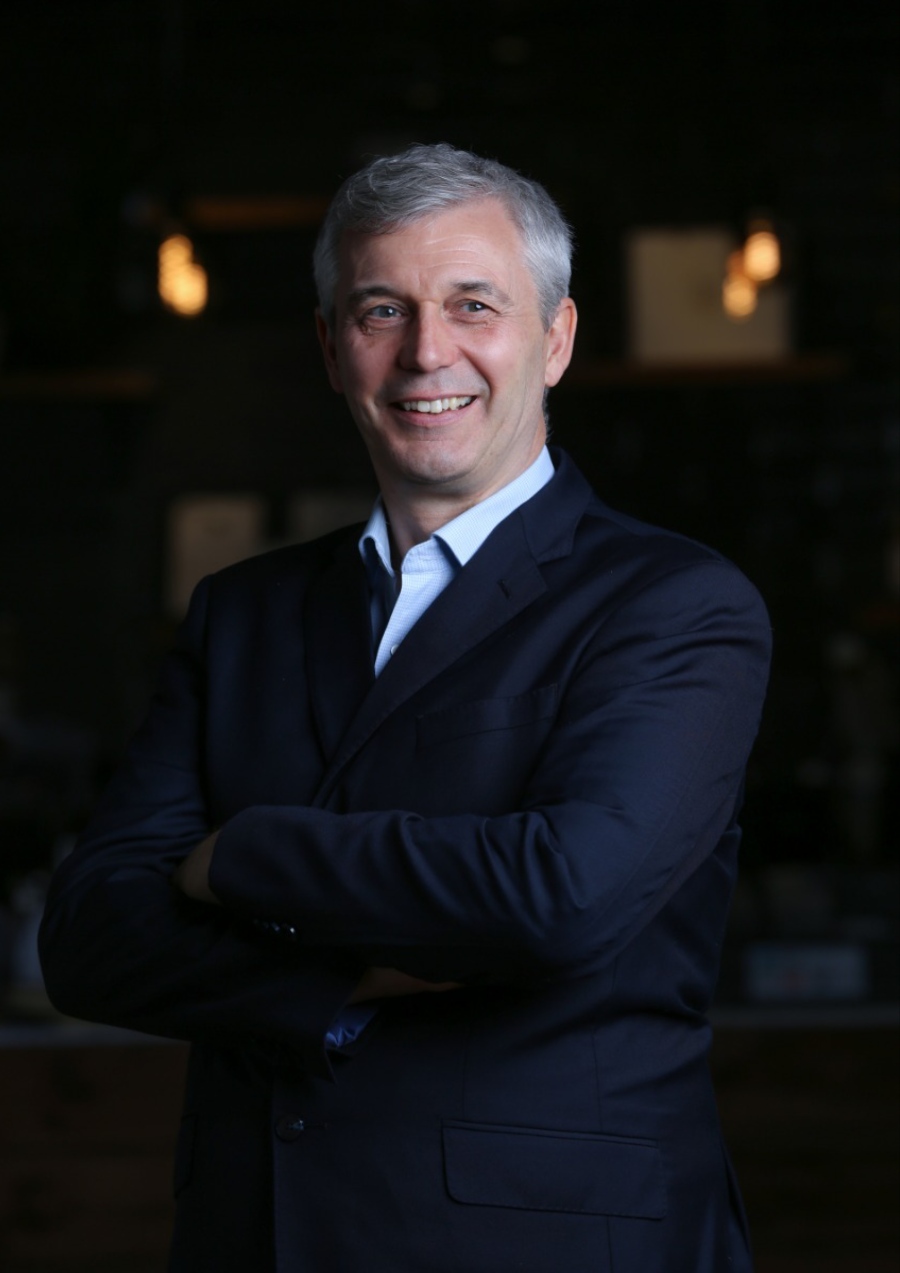
Author: Eric Sandelands, Director, Ingenium
“Rapid urbanisation is one of the most complex systems challenges of the 21st century. Cities must balance environmental resilience, infrastructure capacity, economic opportunity and human wellbeing simultaneously. Advances in computational modelling, including quantum optimisation techniques, offer new ways to explore these complex interactions and support better planning decisions.”
- Nada Hosking, Founder and CEO of FormationQ
Global urban population is projected to rise significantly, adding about 2.5 billion people to cities by 2050, with nearly 90% of this growth in Asia and Africa.
This hasn’t come without its problems. Their main challenges include:
- Unplanned sprawl and informal settlements: Rapid growth frequently outpaces planning capacity, leading to slums, where a large proportion of urban residents lack adequate housing, sanitation, and services.
- Vulnerability to flooding: Many expanding cities encroach on flood-prone wetlands, coastal zones, or other sensitive ecosystems, increasing disaster risks.
- Infrastructure and service deficits: Congestion, pollution, water shortages, and inadequate transport and sanitation systems strain resources and public health.
- Limited planning capacity: Many secondary cities and towns lack skilled planners, regulatory frameworks, and resources to manage growth effectively.
- Social and economic issues: These include rising inequality, urban poverty, housing deficits, and challenges to social cohesion.
Without proactive intervention, these patterns risk becoming irreversible, locking in unsustainable development for decades. And it has felt at times that this is inevitable. It’s not.
There are participatory, incremental, and resilience-focused methods that can be adopted. These solutions may overlap, as compact, inclusive planning can tackle multiple issues simultaneously.
1. Unplanned Sprawl and Informal Settlements
Rapid growth outpaces formal systems, leading to slums with poor housing, sanitation, and services.
Key solutions:
Participatory upgrading and in-situ improvements instead of eviction or peripheral relocation. Provide secure tenure (e.g., titles or long-term leases), basic services (water, sanitation, drainage, electricity), and incremental housing support. This encourages residents to invest in their homes.
Land readjustment/pooling and affordable housing strategies: Pool land for redevelopment while giving residents secure plots; promote mixed-use, higher-density development with smaller plots and varied tenure options (rentals, cooperatives, incremental builds). Prevent new sprawl by designating expansion areas with serviced land.
Proactive prevention: Create sufficient affordable formal housing supply through public-private partnerships, community-led projects, and policy reforms (e.g., streamlined permitting, subsidies for low-income units). Use transparent land management and spatial planning to guide growth inward (compact cities).
Examples: Programs in Bangkok, Medellín, and various African cities show upgrading with community involvement improves outcomes over top-down redevelopment. Morocco’s “Villes sans Bidonvilles” program scaled slum reduction through partnerships.
2. Vulnerability to Flooding
Cities often expand into wetlands or coastal zones, amplifying risks.
Key solutions:
Risk-informed urban planning: Integrate flood risk mapping into land-use zoning. Avoid or restrict development in high-risk zones; prioritise nature-based solutions (wetland restoration, green infrastructure like parks, permeable surfaces, urban forests) alongside gray infrastructure (drainage, pumps, resilient buildings).
Hybrid resilience measures: Combine early warning systems, emergency protocols, watershed management, and gradual resettlement (with community input and compensation) where needed. Update plans with climate data and enforce building standards.
Integrated approaches: Link flood management to informal settlement upgrading (e.g., improve drainage in slums) and overall spatial planning to direct growth away from sensitive ecosystems.
Examples: World Bank-supported projects in various cities use green-gray hybrids and risk-informed planning. Cities like those in Colombia and Tanzania demonstrate success with combined structural/non-structural measures.
3. Infrastructure and Service Deficits (Congestion, Pollution, Water, Transport, Sanitation)
These strain health and resources.
Key solutions:
Prioritise under-served areas: Extend networks (water, sewer, electricity, waste) to informal/peripheral zones. Focus on pro-poor design—e.g., public transport, walking/cycling infrastructure, and non-motorised options that serve the majority.
Integrated and compact development: Promote density with mixed uses to reduce travel distances, lower emissions, and make services more viable. Invest in Bus Rapid Transit (BRT), cable cars (e.g., for hilly areas), and multimodal systems.
Sustainable practices: Use renewable/distributed energy, efficient waste systems, and maintenance regimes. Leverage data and participatory planning to align infrastructure with actual growth patterns.
Examples: Bogotá and São Paulo improved streets for non-car users; Medellín connected peripheries with cable cars; Colombo, Kampala, and Nairobi extended services to low-income areas with strong results.
4. Limited Planning Capacity in Secondary Cities and Towns
Many lack skills, frameworks, and resources.
Key solutions:
Capacity building and national support: National governments should provide frameworks, training, funding formulas, and technical assistance for local planners. Foster networks of secondary cities for shared learning and joint infrastructure.
Simplified tools and partnerships: Use accessible GIS/risk mapping, participatory planning methods, and public-private/community collaborations. Build competencies in systems thinking, scenario planning, and resilient design.
Financing innovations: Improve local revenue (e.g., land value capture), access to national/international funds, and blended finance for infrastructure.
Focus: Connect secondary cities to larger systems via transport and economic linkages for balanced regional growth.
5. Social and Economic Issues (Inequality, Poverty, Housing Deficits, Social Cohesion)
These reinforce other challenges.
Key solutions:
Inclusive housing and services: Scale affordable housing with community involvement; integrate livelihoods, education, and health in upgrading projects. Use public spaces, safe streets, and mixed-income designs to foster interaction.
Economic opportunities: Support informal economies, skills training, and access to jobs via better transport. Targeted investments in poor areas reduce spatial inequality.
Governance for cohesion: Strengthen community participation, transparent decision-making, and equitable service access. Address root causes like land access and discrimination.
Broader enablers:
- Adopt integrated master plans with clear visions, updated data, and cross-sector coordination.
- Emphasise community-led and participatory processes for ownership and sustainability.
- Secure financing through blended sources, land-based tools, and international support (e.g., climate funds).
- Monitor with SDG 11-aligned indicators and adaptive management.
Cross-cutting success factors: Political will at national/local levels, multi-stakeholder partnerships (government, communities, private sector, NGOs), and learning from peers (e.g., via networks like Cities Alliance or UN-Habitat programs).
So, how to move forward?
Implementation should be phased and context-specific, start with quick wins in upgrading and services to build momentum, then scale to systemic planning. These challenges are solvable with the right mix of policy, investment, and inclusion, as demonstrated in cities that have transformed despite rapid growth. For deeper dives, consult resources from UN-Habitat, World Bank, or WRI.
One response has been King Charles III’ efforts to support Commonwealth countries through his foundation’s Rapid Planning Toolkit for Urban Expansion. Over half of the world’s projected urban growth by 2050 is expected to occur in Commonwealth countries, with much of it concentrated in secondary cities (those with populations under one million).
This free, practical, four-step methodology helps mayors, local governments, and built-environment professionals in rapidly growing secondary cities create simple, robust framework plans.
“Community ownership has been the greatest success story for us, because we cannot plan in isolation and previously, we did not have access to the Toolkit to guide us”
- Haja Halimah Lukay, Development & Planning Officer, Bo, Sierra Leone
The steps generally involve stakeholder engagement, identifying suitable growth areas, detailed planning, and implementation, with a strong emphasis on walkability, protecting sensitive sites, and participatory processes.
Pilots and applications have included:
- Bo, Sierra Leone: The toolkit helped redirect development away from flood-prone wetlands toward structured, walkable growth areas with better infrastructure.
- Bangladesh (e.g., Sylhet region): Used for educational and community-led planning, fostering trust and long-term growth charters.
In 2026, The King’s Foundation launched the Harmonious Urban Growth programme in partnership with FormationQ, IonQ, Space Syntax, and others.
This three-year initiative enhances the toolkit with advanced technologies, including quantum optimisation, to improve infrastructure planning, sustainability, and health outcomes. Initial pilots target cities in Belize and Zambia’s Copperbelt region.
The initiative aligns with the 2022 Commonwealth Declaration on Sustainable Urbanisation and collaborations with bodies like the Commonwealth Association of Planners and UN-Habitat.
Demonstrated impacts so far include averted environmental damage (e.g., wetlands protection in Bo), community empowerment through participatory planning, capacity building via free online courses, and practical infrastructure improvements in regeneration projects (e.g., Jamaica).
By scaling the toolkit and quantum-enhanced approaches across Commonwealth nations, the initiative will help:
- Guide responsible expansion before informal patterns solidify.
- Promote healthier, walkable communities that reduce car dependency and improve well-being.
- Integrate nature-based solutions and climate resilience.
- Build local skills and foster cross-Commonwealth collaboration.
In a context where many cities lack planning resources, this accessible, bottom-up tool offers a pragmatic pathway to more harmonious urban futures. For me it’s a welcome intervention.
References
The King’s Foundation. (n.d.). Strategic planning. https://kings-foundation.org/built-environment/strategic-planning/
The King’s Foundation. (2026, May 11). The King’s Foundation and FormationQ launch “Harmonious Urban Growth” programme.
United Nations. (2018). 68% of the world population projected to live in urban areas by 2050. https://www.un.org/en/desa/68-world-population-projected-live-urban-areas-2050-says-un
UN-Habitat. (n.d.). Sustainable urbanization in Commonwealth countries. https://unhabitat.org/sustainable-urbanization-in-commonwealth-countries
Rapid Planning Toolkit. (n.d.). https://www.rapidplanningtoolkit.org/

Sustainable structures and infrastructures
We are passionate about supporting researchers, policymakers, and practitioners in their efforts to minimise the environmental impact of structures and infrastructures.
Would you like to talk to someone about our ICE Publishing products?
To find out more about getting access to our ICE Publishing products, please fill in the form and one of our team will get in touch with you.
You can also use the form to recommend this product to your budget-holder or librarian if you are not the budget holder yourself.
Share this content