

Planning for the future: Making smart investments in urban water supply
1st October 2025
Share this content


Authors: Prof Bryan Adey, ETH Zurich, Switzerland; Dr Claudio Martani, ETH Zürich, Switzerland; Dr Jürgen Hackl, Princeton University, USA
Prof Bryan T Adey, Dr Claudio Martani and Dr Jürgen Hackl discuss the challenges around water supply resilience, reflecting on their latest research project.
Providing clean, safe drinking water to cities is essential. Doing so efficiently and reliably over long periods, however, is a complex challenge.
Cities must often invest large sums into water infrastructure today, even though the demands and conditions of the future remain uncertain. Population growth, industrial development, shifting rainfall patterns due to climate change, and external demands from surrounding communities all affect how much water will be needed in the years to come.
The challenge of building a sustainable and resilient future, often framed as the strategic engineering of future-ready design, is increasingly relevant and gaining momentum in the current research landscape (some examples are available at: Strategic Engineering Initiative). While this approach is gaining traction across various sectors, it has not yet been fully embraced in water management, even though this domain faces particularly urgent challenges. These include the long lifespan of water infrastructure, which limits flexibility over time, and the high uncertainty in both water availability due to variable rainfall patterns and demand.
In our recent study, Investing in Water Supply Resilience Considering Uncertainty and Management Flexibility, published in the Journal of Smart Infrastructure and Construction in 2022, we explored how to make long-term investment decisions that improve the resilience of water systems. The approach considers both future uncertainty and the ability of infrastructure managers to adjust plans over time.
This requires the ability to deeply consider the impact of future uncertainty on the service, thinking of candidate interventions to cope with it, and simulate scenarios to evaluate the best decision to take.
Managing uncertainty
Our research focused on a water treatment plant that serves an urban area where several key factors may change significantly in the future. These include:
- Population size, which affects water consumption in households and healthcare facilities
- Precipitation levels, which influence water availability
- Industrial water demand, linked to the strength of the local economy
- Demand from neighbouring communities
While it is not possible to predict these variables with complete accuracy, it is possible to model their possible ranges and how they might impact long-term outcomes (Figure 1). We focused on those uncertainties that are both likely to change and impact, allowing for a more realistic and useful analysis of investment strategies. Other sources of uncertainty, such as daily per-person water use, may be considered in future research.
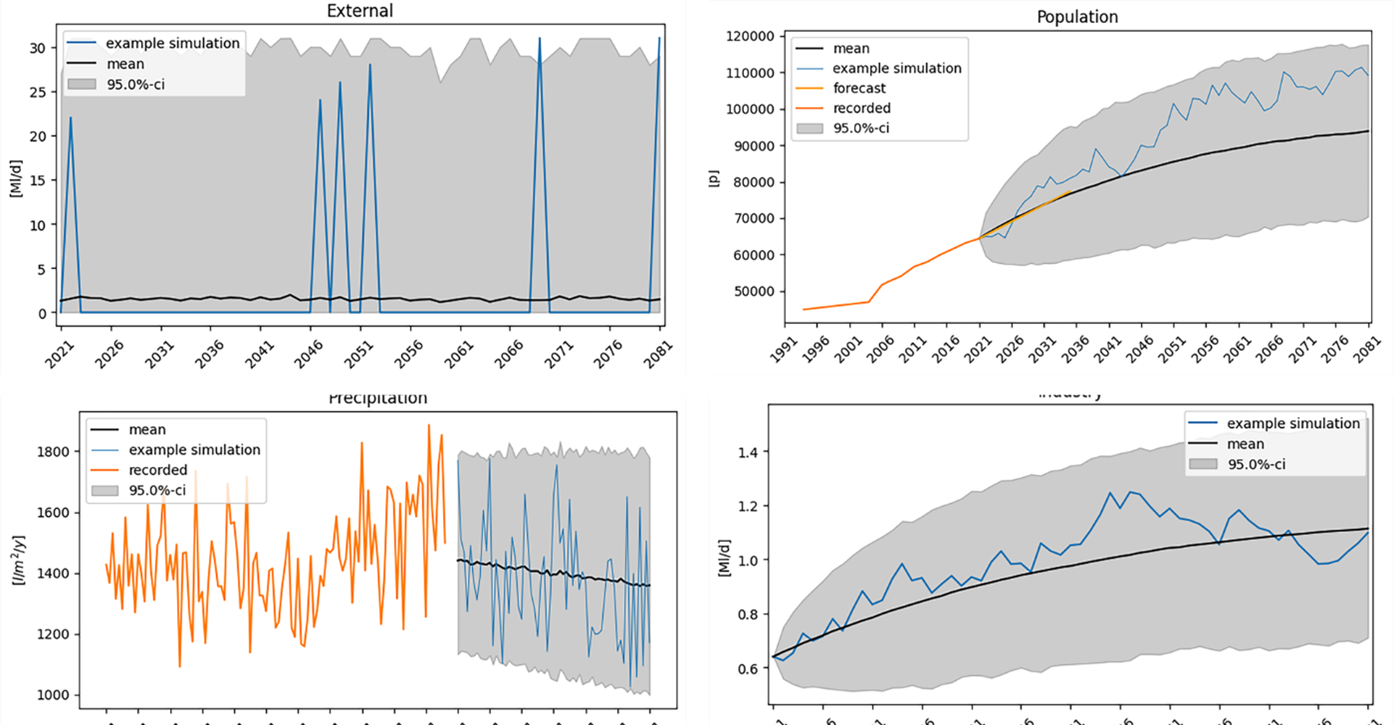
Figure 1. Example models of (up, left) population and (up, right) precipitation, (down, left) industry demand and (down right) external demand uncertainties (CI: confidence interval).
Designing resilient strategies
Once these uncertainties were mapped, we explored different strategies for ensuring reliable water service in the long term. These strategies included reducing leakage at varying levels and increasing supply through various means. We combined these actions into two main types of strategies:
- Static strategies, where decisions are made now for the entire planning horizon. Thirteen static strategies have been considered that are characterised by the magnitude of interventions to reduce leakages and raise water availability
- Dynamic strategies, where only the initial actions are decided now, with built-in flexibility to adjust later using updated information
This approach allows decision-makers to adapt as new data becomes available, improving long-term outcomes.
Evaluating investment options
We then used simulations to test these strategies against a wide range of possible future scenarios. For the example presented, we ran 1,000 Monte Carlo simulations to assess the potential costs of each strategy, including both service disruptions and intervention expenses (Figure 2).
The analysis showed that by carefully comparing these outcomes, it becomes possible to identify strategies that offer the best balance between cost and benefits. The approach also ensures that the interests of various stakeholders are considered transparently while deciding on the initial and future interventions.
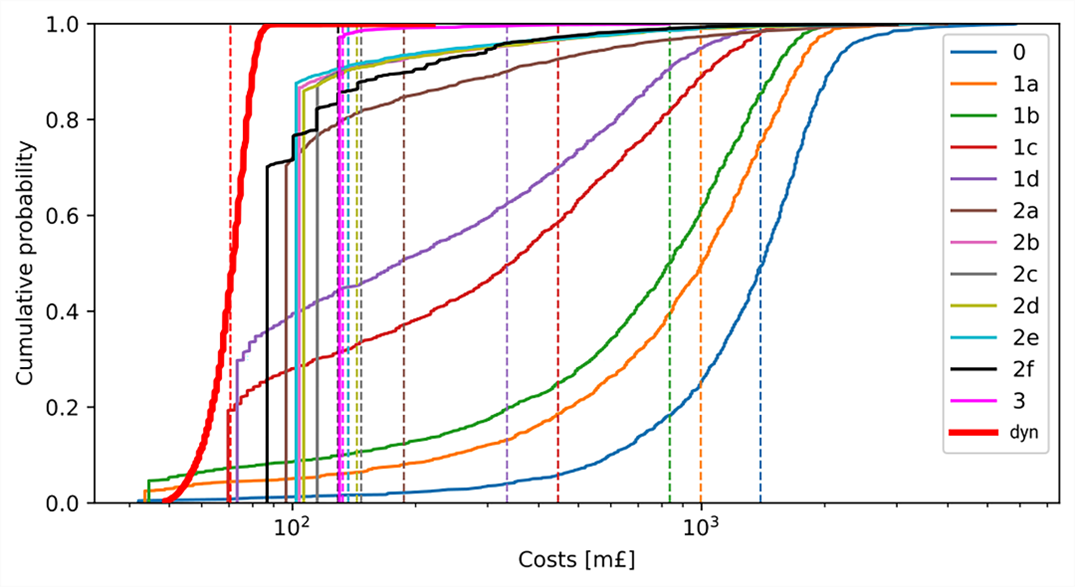
Figure 2. Expected total costs (dyn: dynamic)
Moving forward
Infrastructure decisions made today have long-term implications that extend far beyond water management systems. They also affect a wide range of other critical infrastructure types, including parking, healthcare facilities, and transportation networks. By modelling key uncertainties and incorporating flexibility into management strategies, urban infrastructure systems can become more resilient and function more effectively as a cohesive whole.
This approach requires viewing urban infrastructure as a system of systems, moving beyond isolated, single-infrastructure analysis. A more integrated perspective is essential to designing cities that are both future-ready and resilient in the face of change.
The authors see the next step of research in this domain moving in this direction toward holistic, system-level analysis and adaptive planning approaches that support the development of robust, interconnected urban infrastructure systems.
“This approach allows decision-makers to adapt as new data becomes available, improving long-term outcomes”.
Authors
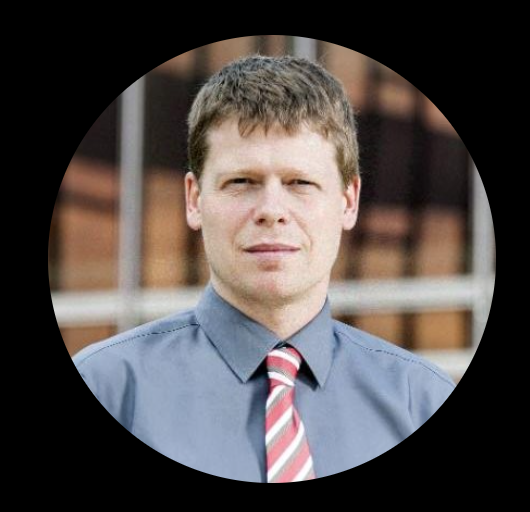
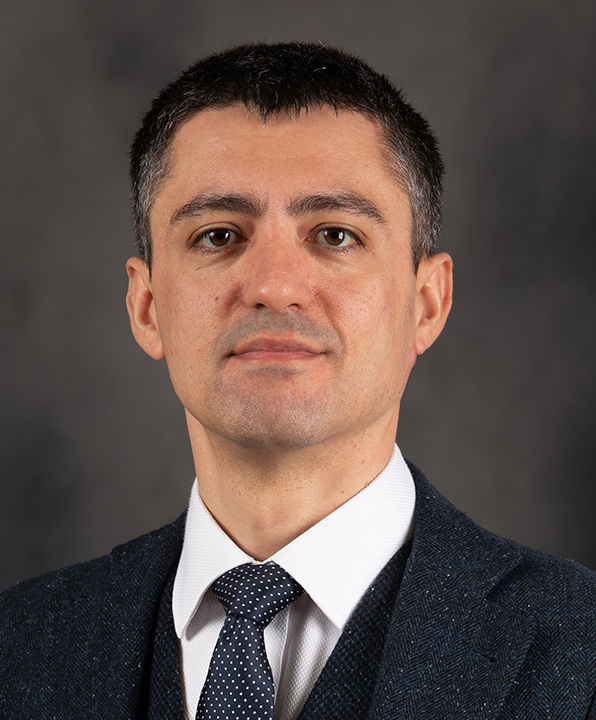
(Left to right)
- Prof Bryan Adey is Professor for Infrastructure Management at ETH Zurich, Switzerland.
- Dr Claudio Martani is Oberassistent at the Chair of Circular Engineering for Architecture (CEA), ETH Zürich, Switzerland.
- Dr Jürgen Hackl is Assistant Professor at Princeton University, USA.


Sustainable structures and infrastructures
We are passionate about supporting researchers, policymakers, and practitioners in their efforts to minimise the environmental impact of structures and infrastructures.
Would you like to talk to someone about our ICE Publishing products?
To find out more about getting access to our ICE Publishing products, please fill in the form and one of our team will get in touch with you.
You can also use the form to recommend this product to your budget-holder or librarian if you are not the budget holder yourself.
Share this content