

Framing the challenge: Rethinking how we plan for the future
1st October 2025
Share this content


Author: Professor Chimay Anumba, University of Florida, USA
In the quest for more sustainable and resilient buildings and infrastructure systems, many planners and government agencies have made policies intended to guide future developments over the next 10, 20 or even 50 years. Simultaneously, professionals in the architecture, engineering and construction (AEC) industry are designing and constructing buildings and civil infrastructure that conform to these policies and are intended to embody and, in some cases, showcase the latest sustainability principles. However, it is becoming increasingly clear that assumptions being made today regarding the future may not hold true when the ‘future’ finally arrives. In light of this, it is pertinent to ask the question: Can we build a future we can’t predict?
Uncertainties about the future are based on numerous factors but for the purposes of this discourse, it would suffice to highlight just a few:
- Technological advances: The pace and direction of technological change are very hard to predict and assumptions that are made today will not necessarily translate into reality in the future. There are numerous examples in both the research environment and in general societal tools.
- Societal and demographic changes: The evolution of society in terms of its demographic constitution, norms, values, culture, and other characteristics is increasingly unpredictable and there is no certainty that in 10-, 20- or 50-years people will live, work and recreate in the same ways that we imagine today.
- Government policies: The instability around the world and the diminishing trust in governments to abide by long-established commitments add to the unpredictability of the future. Policy reversals, commercial exigencies and geopolitical realignments are now commonplace, and what professionals could previously count on for planning purposes can no longer be taken for granted.
- Industry changes: The AEC industry is changing partly in response to the above external influences and partly as part of its own natural maturation. In general, the response to the external factors has been uncoordinated and has resulted in a highly variable approach and consequently has not resulted in highly positive outcomes for the industry. The maturation of the industry occurs at an incremental pace with occasional spikes as new technologies, materials, and construction methods reach a tipping point, and their adoption accelerates across the industry.
From uncertainty to strategy
Given the uncertainties that have been outlined above, what approach should industry take towards future developments? Since we cannot cease all future developments, a multi-faceted approach is needed to ensure that what is built for the future remains fit for purpose. Two key elements of this approach are:
- Taking steps and using appropriate tools to enhance predictability wherever possible;
- Adopting a flexible and adaptable strategy for future developments such that these can more easily and rapidly respond to the changes that occur.
This Emerald mission on tackling uncertainties in the future is intended to ignite and support a robust debate on this topic. As such, we welcome contributions from the research and professional communities, as well as from the public, on this important topic through new articles, blogs and other means.
Author
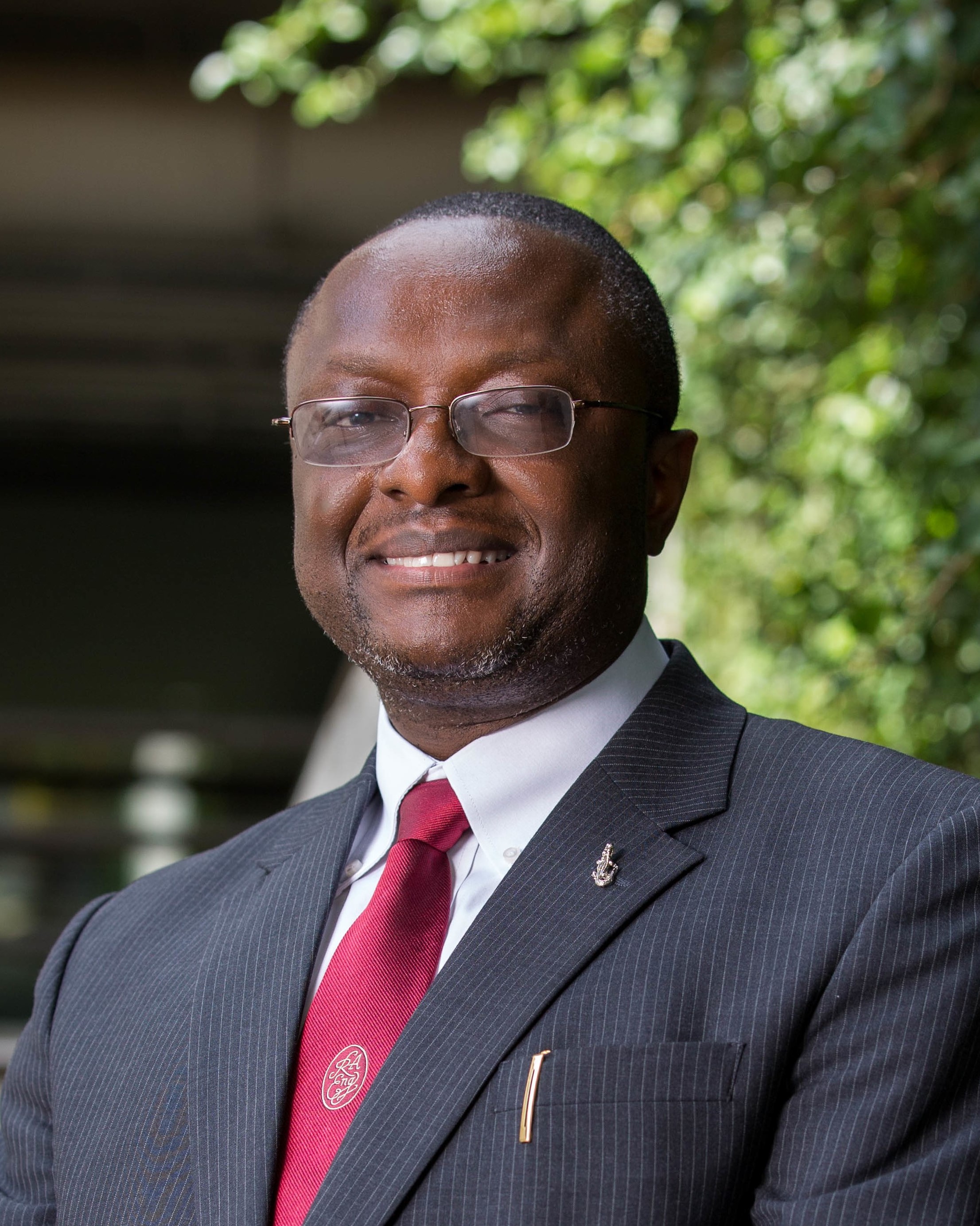
Professor Chimay Anumba is a Professor and Dean of the College of Design, Construction and Planning at the University of Florida. He is also the Advisor for Emerald’s Sustainable Structures and Infrastructures Goal and Editor in Chief of Engineering, Construction and Architectural Management (ECAM).

Sustainable structures and infrastructures
We are passionate about supporting researchers, policymakers, and practitioners in their efforts to minimise the environmental impact of structures and infrastructures.
Would you like to talk to someone about our ICE Publishing products?
To find out more about getting access to our ICE Publishing products, please fill in the form and one of our team will get in touch with you.
You can also use the form to recommend this product to your budget-holder or librarian if you are not the budget holder yourself.
Share this content